














Yen Bai tourism, Yen Bai is a province located in the northern region of Vietnam, known for its stunning natural landscapes, cultural diversity. When mentioning Yen Bai tourism, the most prominent attractions are the terraced fields, the golden season, and the water-pouring season. Additionally, Yen Bai is also famous for its mountain peaks, hot springs, ancient villages, and a variety of unique local dishes.
 I. Best time to visit-Yen Bai tourism
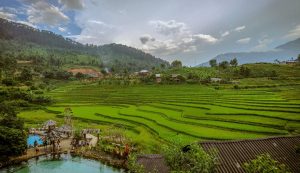
September to October (Harvest Season): This is when the terraced fields turn golden, creating breathtaking landscapes, especially in Mù Cang Chải. It’s the most popular time for photography and experiencing the local culture.
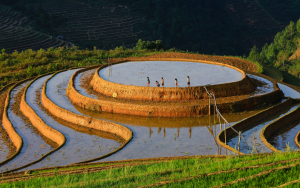
May to June (Water Pouring Season): The fields are flooded with water, reflecting the sky and creating a stunning mirror-like effect. It’s a beautiful time to see the start of the rice planting season.
Spring (February to April): The weather is mild, and the area is filled with blooming flowers, making it ideal for trekking and exploring the natural beauty of Yên Bái.
II. Attractions-Yen Bai tourism
1. Nghia Lo town
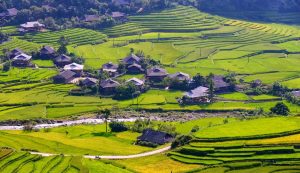
Nghĩa Lộ is a place that travelers often pass through when visiting famous tourist spots in Yên Bái. The second-largest field in the Northwest highlands, Mường Lò, is located in the town of Nghĩa Lộ. Mường Lò is also famous for its hot springs, attracting both tourists and locals. Additionally, Mường Lò is known for its shan tuyet tea. Nghĩa Lộ is home to the Nghĩa Lộ Prison and Fort relics, recognized as a National Historic Site in 1996, preserving documents about the French colonialists’ imprisonment of prisoners.
To the north of the Mường Lò basin is the Thia Stream (locally known as “tears”), which can be up to a hundred meters wide during the flood season.
 2. Thac Ba Lake
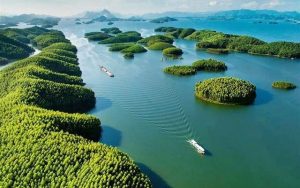
Thac Ba Lake is likened to “Ha Long on the mountain”, is one of Vietnam’s largest artificial lakes, created by the construction of the Thác Bà hydroelectric plant. The lake is known for its serene beauty, featuring over 1,300 small islands covered in lush greenery. Visitors can explore caves, enjoy boat rides, and experience the peaceful atmosphere. The best time to visit Thác Bà Lake is during the dry season from October to April.
Entrance Fees: Some attractions around the lake, such as caves or cultural sites, may charge a small entrance fee, typically around $1 to $2
3. Mu Cang Chai
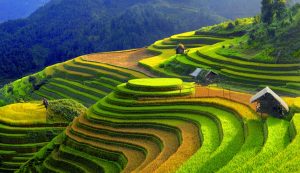
Mù Cang Chải is renowned for its stunning terraced rice fields, which are considered some of the most beautiful in Vietnam. The area is particularly famous for the golden rice harvest season in late September and early October, drawing photographers and travelers alike. The terraces, which cascade down the mountainsides, were created by the Hmong ethnic minority over centuries. The best time to visit is during the harvest season or the water pouring season in May and June.
>>>Mu Cang Chai Travel Guide 2024: The land of clouds, high mountains and deep ravines
4. Tu Le
Tú Lệ is a charming valley, located on the way to Mù Cang Chải. Known for its stunning rice terraces and picturesque landscapes, Tú Lệ is often considered a hidden gem in the region. The valley is particularly famous for its fragrant glutinous rice, known as “nếp Tú Lệ,” which is highly prized for its quality and taste. The area is also home to hot springs, where visitors can relax after a day of exploring.
 5. Tram Tau
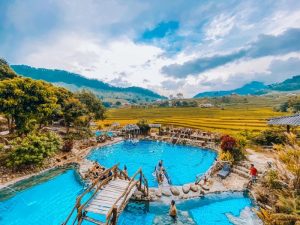
It’s a less-traveled destination, offering visitors an authentic experience of Vietnam’s mountainous regions. Trạm Tấu is famous for its hot springs, such as the Trạm Tấu Hot Spring Resort, where visitors can soak in natural hot water while enjoying views of the surrounding mountains.
 6. Ta Xua
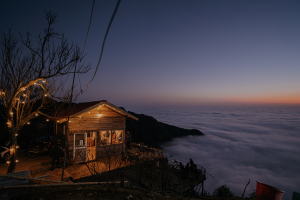
Tà Xùa is a mountain range located on the border between Yên Bái and Sơn La provinces, renowned for its breathtaking views and challenging treks. The area is particularly famous for the “dinosaur spine,” a narrow ridge that offers a thrilling experience for trekkers, with steep drops on both sides. This unique formation has made Tà Xùa a sought-after destination for adventure enthusiasts and photographers, especially those looking to capture the stunning “sea of clouds” that often blankets the area in the early morning.
III. Cuisine-Yen Bai tourism
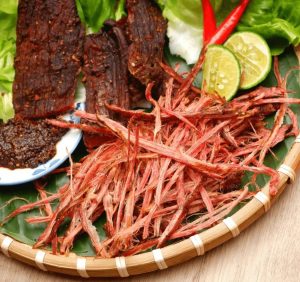
1. Thịt Trâu Gác Bếp
Smoked beef dried over a fire, popular among the Hmong people. It’s known for its intense flavor and is often enjoyed with sticky rice.
Price: $16 to $25 USD per kilogram
 2. Ant egg sticky rice
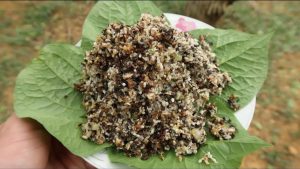
When spring comes, it is also the time when black ants lay eggs. People of the Tay, Dao, and Thai ethnic groups in Yen Bai go to the forest to find ant eggs to cook sticky rice. Mu Cang Chai upland sticky rice combined with Northwest forest ant eggs creates a specialty that visitors will remember once they eat.
Price: $2 to $4 per serving
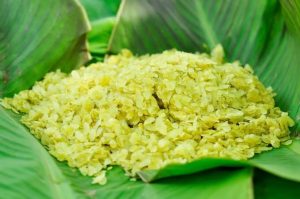
 3. Tu Le sticky rice
Tú Lệ sticky rice is made from glutinous rice varieties grown in the Tú Lệ Valley. The rice is known for its rich aroma and slightly sweet taste. It is often cooked with coconut milk or other local ingredients to enhance its flavor.
Price: $1 to $2 per serving
 4. Giang stream snow tea
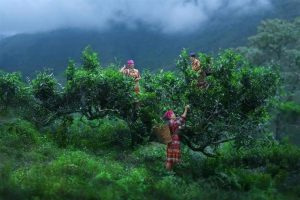
Giang Stream is home to ancient tea trees ranging from 100 to over 400 years old, producing a renowned Yên Bái specialty—Giang Stream Snow Tea. This tea variety grows at altitudes of 1,000 meters or higher, embodying the finest qualities of the Northwest mountains. Locals often jokingly refer to it as the “5 extremes” tea: extremely laborious, extremely clean, extremely rare, extremely delicious, and extremely expensive.
Yen Bai tourism offers stunning landscapes with terraced fields, ancient tea, and unique local cuisine. Its natural beauty, rich culture, and diverse attractions make it a memorable destination for travelers.
 Visa FOPA Company
📞+84 906 044 975 (Mr. Do)
 Facebook: Visa Fopa